

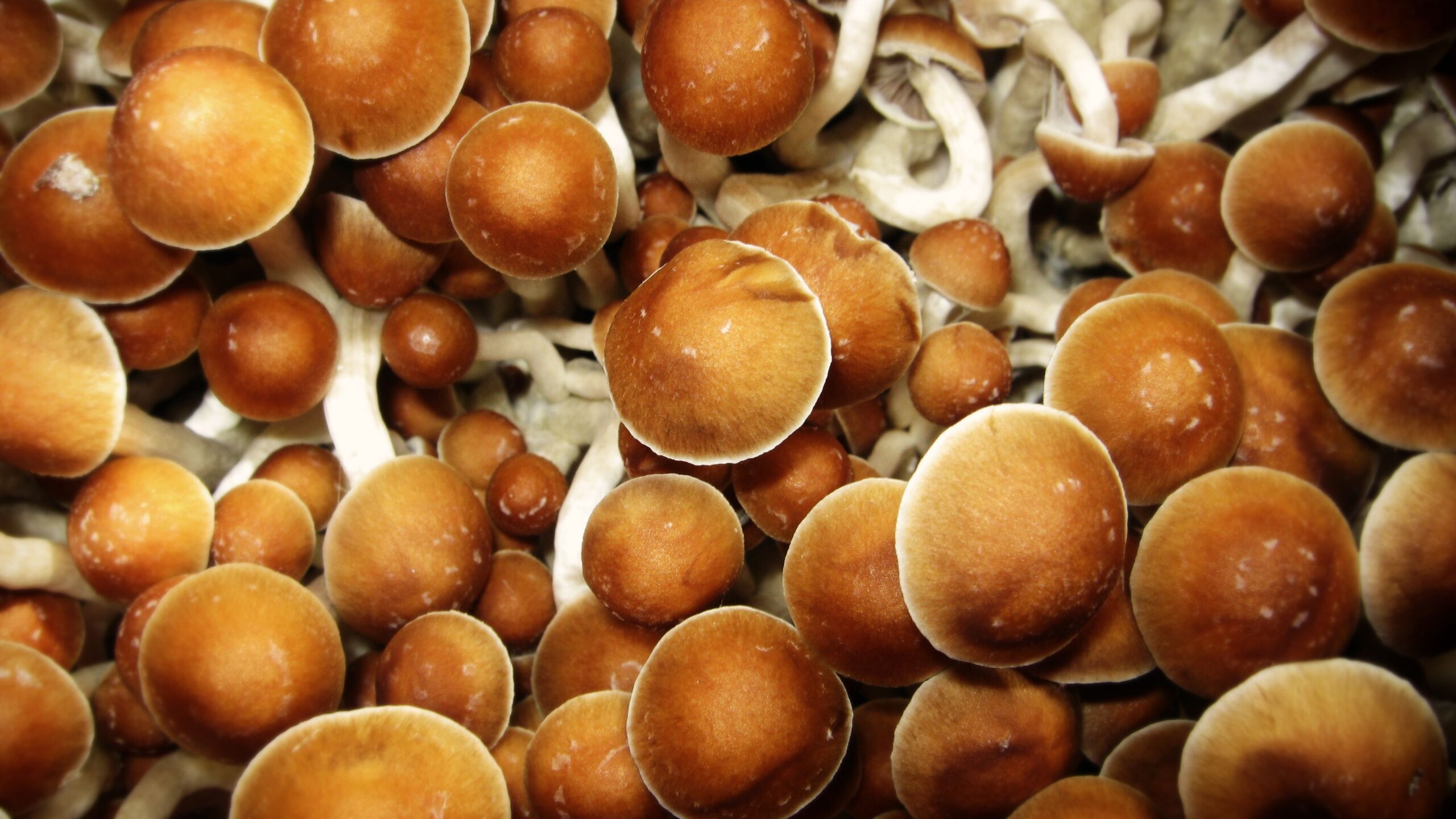
Golden caps
Original price was: $300.00.$210.00Current price is: $210.00.
Within academic mycology, the term Golden caps serves as a popular descriptive colloquialism for the distinctive golden-brown pileus found on many species within the Hymenogastraceae family. Researchers studying Psilocybe cubensis morphology analyze the physical transformation of the cap from its initial conical formation to its fully expanded, planar state at maturity.
Description
Fungal Morphology and Lifecycle
Mycologists classify Golden caps as unique specimens within the high-altitude ecosystem. Furthermore, these organisms display fascinating structural changes during their developmental cycles. Researchers constantly study Psilocybe cubensis morphology to understand these transformations. Consequently, this baseline data helps scientists track broader environmental adaptations.
Structural Features of Golden caps
Environmental factors directly influence the physical traits of these fungi. For example, ambient humidity levels shape the density of the cellular walls. In addition, direct sunlight exposure alters the pigmentation of the upper skin. This process creates distinct golden-brown mushroom caps in wild populations.
The Role of the Cellular Protective Layer/Golden caps
The upper portion of the organism features a resilient outer membrane. Specifically, the tightly packed hyphal threads stretch as the fungus matures. As a result, the deep gold coloration near the center gradually fades toward the outer margins. This shift creates beautiful sub-tropical pileus variations across different regional zones.
Anatomy of an Indigenous Field Specimen/Golden caps
Proper preservation prevents sample degradation during laboratory analysis. Therefore, scientists follow strict handling protocols to protect the delicate vertical gills.
Key Morphological Identifiers
-
Adnate Gill Attachment: The vertical lamellae connect directly to the central stalk framework. Thus, the structure remains highly stable during windy conditions.
-
Spore Deposits: A mature indigenous field specimen drops dark, smooth, ellipsoid-shaped spores. In fact, these deposits present a deep purple-to-black color under high magnification.
-
Partial Veil Remnants: The expanding cap eventually breaks away from the stem. Subsequently, this separation leaves behind a delicate, membranous ring along the main stalk.
Documenting Global Variations
Global wind currents easily transport lightweight spores across vast distances. Similarly, livestock movements spread these resilient organisms throughout inland pastures. Ultimately, tracking these paths helps herbaria compile accurate records of this convex mycological structure.
Conclusion
Ultimately, studying Golden caps provides essential insights into fungal adaptation and evolutionary resilience. Therefore, analyzing these unique sub-tropical pileus variations allows mycologists to accurately map global ecosystems. Consequently, maintaining precise structural documentation ensures that researchers can successfully preserve and identify every indigenous field specimen for future generation study. Psilocybe cubensis morphology
Additional information
| weight | Oz, 1/4 lb, Hp, Lb |
|---|
Related products
-
- Sale!
Buy Ketamine Powder Online
- Price range: $280.00 through $8,700.00
- Select options This product has multiple variants. The options may be chosen on the product page
-
- Sale!
BUY AMAZON CUBENSIS ONLINE
- Original price was: $100.00.$65.00Current price is: $65.00.
- Add to cart
-
- Sale!
White Runtz 1000mg Vape
- $20.00
- Select options This product has multiple variants. The options may be chosen on the product page


Reviews
There are no reviews yet.