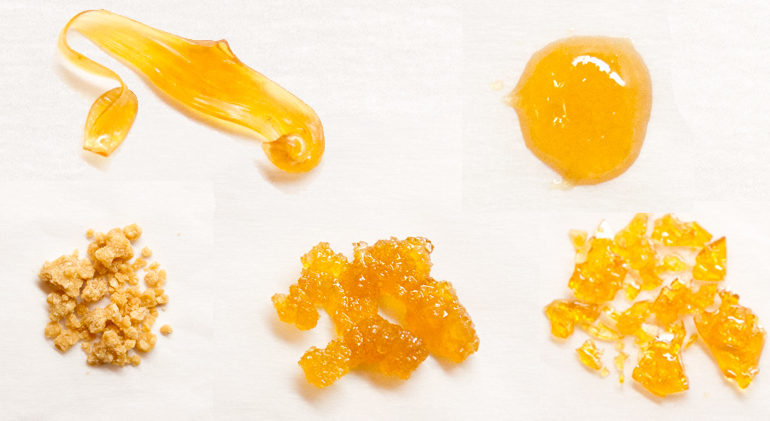
Cannabis concentrates come in many forms, but two of the most popular are live rosin and live resin. While they may sound similar, they are made using very different methods, which affects flavor, texture, and overall quality. Cannabis 101: Live Rosin vs. Live Resin
Live resin is created using a solvent-based extraction process, typically involving hydrocarbons. Fresh frozen cannabis is used to preserve terpene content, resulting in a flavorful and aromatic concentrate. This method helps retain the plant’s natural profile, giving users a strong and vibrant experience.
In contrast, live rosin is made without solvents. Instead, heat and pressure are used to extract the oils from fresh frozen cannabis. Because no chemicals are involved, many users consider it a cleaner and more natural option. It often has a thicker, more stable texture.
Both products contain high levels of cannabinoids like THC and may deliver strong effects depending on potency. However, their production methods create noticeable differences in taste and consistency.
Live resin is often praised for its bold, terpene-rich flavor, while live rosin is appreciated for its purity and artisanal process. Choosing between them usually comes down to personal preference—whether you value intensity and aroma or a solvent-free extraction method.
Understanding these differences helps consumers make more informed choices when exploring cannabis concentrates and finding what best suits their experience. Cannabis 101: Live Rosin vs. Live Resin